

Common Packaging Mistakes That Cost Businesses Time and Money (and How to Avoid Them)
- 18 Feb 2026
Packaging plays a crucial role in protecting products and ensuring smooth logistics. Yet, many businesses unknowingly make packaging mistakes that lead to damaged goods, delayed deliveries, increased costs, and unhappy customers. Understanding these common errors—and how to avoid them—can save both time and money.
One of the most frequent mistakes is using the wrong type of packaging. Lightweight boxes for heavy items or inadequate protection for fragile goods often result in breakage during transit. Every product has unique requirements based on weight, shape, and sensitivity. Choosing packaging without proper assessment increases the risk of damage and replacement costs. The solution is to invest in customized packaging designed for the specific nature of the product.
Another costly error is insufficient internal protection. Even when the outer packaging is strong, products can shift inside if not properly cushioned. This movement causes impact damage, especially for machinery, electronics, and precision components. Using shock-absorbing materials, foam inserts, and custom supports prevents movement and keeps items secure.
Ignoring environmental factors is also a major oversight. Moisture, temperature changes, and dust can ruin goods during long-distance shipping. Many businesses skip moisture barriers or corrosion protection, leading to rusted parts or compromised equipment. Adding desiccants, shrink wrapping, or vacuum packing helps protect goods from these elements.
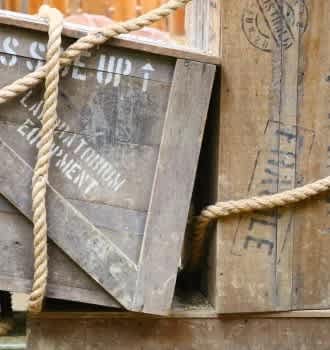
Poor labeling and documentation can create logistical chaos. Missing handling instructions, incorrect addresses, or unclear markings often lead to mishandling or delays. Clear labels such as “Fragile,” “This Side Up,” and accurate shipment details ensure safer handling and faster processing.
Another mistake is non-compliance with regulations, especially for export shipments. Wooden packaging that is not ISPM-15 certified can result in cargo being held or rejected at ports. Working with professional packers ensures all packaging meets domestic and international standards.
Finally, many businesses view packaging as an area to cut costs. While saving upfront may seem beneficial, poor packaging often leads to higher expenses due to damaged goods, rework, and lost customer trust.
Avoiding these mistakes requires a strategic approach. Partnering with experienced packaging professionals, assessing product needs, and using the right materials can significantly reduce risks. Effective packaging is not an expense—it is an investment that protects your products, reputation, and bottom line.
Contact Us
Get In Touch With Us
Need a Packaging Partner You Can Trust?We deliver smart, sustainable packaging solutions designed for your business needs.
Let’s create packaging that stands out and performs.
Contact Us